VIDAR Eliminates Bearing Failure at Large Polymer Plant
A few months after VIDAR was introduced to personnel at a polyethylene plant in Louisiana, the “aha!” moment arrived. VIDAR would be an easy fix to reoccurring downtime.
This customer is one of the largest ethylene producing plants in America with over 3 billion pounds in available annual capacity. This level of production surmounts into more than $1B in potential revenue per year.
From the bottle used to nurse infants to the dashboard of your car, this site’s output is a crucial input to products of everyday life.
Uptime Challenges
A series of eight furnace fans were continuously experiencing bearing failure. These fans help control emissions, so when they shut down, it becomes harder to meet EPA requirements.
After root cause analysis by the plant, the cause was traced back to vibration. The excessive vibration due to operating in a resonance frequency caused bearing failure on a weekly to bi-weekly basis.
Results
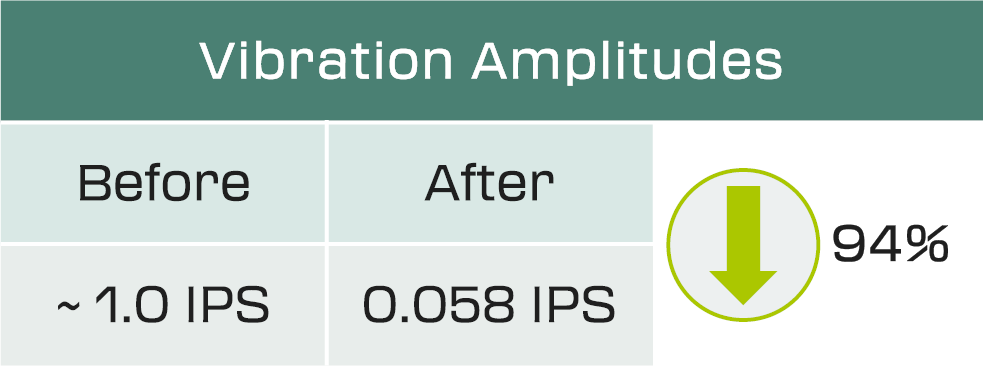
VIDAR’s requested speed was set to ~3200 RPM to both satisfy process demands and get out of the resonance band. Vibration was reduced from 1.0 IPS to less than 0.06 IPS.
Future Enhancements
The different avenues of operational improvement being evaluated by this customer include:
Over speeding
- Jump to the other side of the resonance band. This equates to better process control and a less costly hedge (versus a change out) against unforeseen target production rate increases.
Speed Skip Range(s)
- Eliminate the frequency ranges that create damaging vibration
Remote Monitoring and Control
- Expose and change VIDAR parameters to send a warning if the belt breaks for example.
The plant is now investigating its entire population of equipment for the next VIDAR application, and a duplicate set of eight furnace fans are set for retrofits in early 2026.
Equipment Details
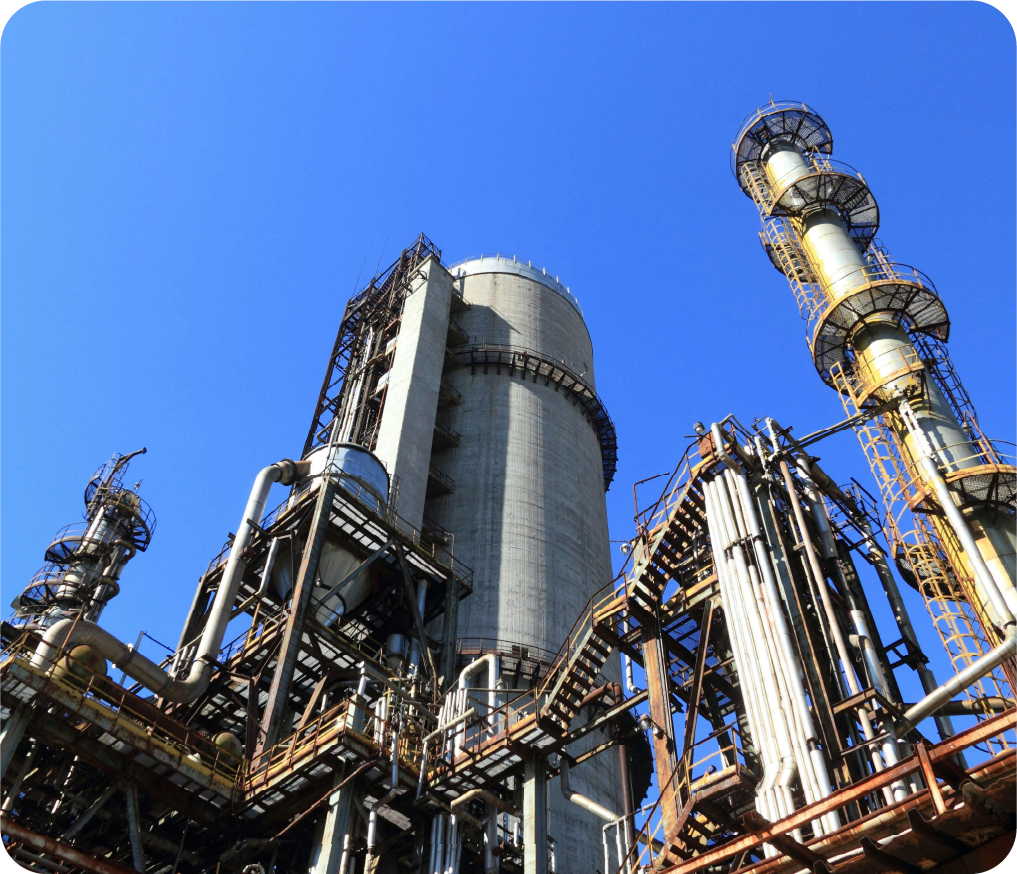
Each furnace uses two FCR furnace fans to inject ammonia into the process. These fans are on a large work deck about one hundred feet in the air.
Each utilized a two-pole induction motor directly coupled to the long fan shaft, which rests on a pair of pillow block bearings.
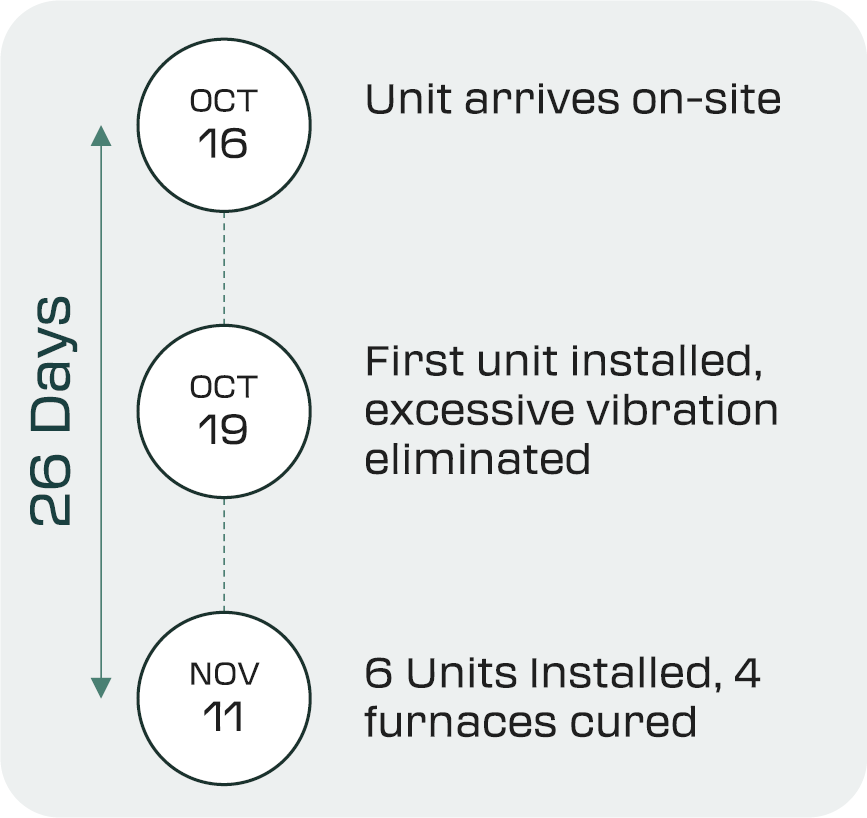
A major pain point for the Ethylene Unit was gone within a week. Two days later a different fan was showing signs of failure, so another VIDAR unit was installed. Then another, then another, until all eight fans had a VIDAR unit.
A second order benefit from the speed reduction is energy savings. At the set speed of 3200 RPM, the plant can expect a 25 – 30% reduction in energy consumption and costs.
The alternative solution to VIDAR? A furnace upgrade project at around $250k per furnace, so $1M in total.