VIDAR Rids Frequent H2S Induced VFD Failures
A large biorefinery in Iowa was experiencing failures on a specific variable frequency drive (VFD) 2X a year. When organic matter decomposes, hydrogen sulfide gas is released. This corrosive gas can infiltrate enclosures and eat away at metallic compounds such as copper, which is commonly found in electrical equipment.
The VFD Failure Mode
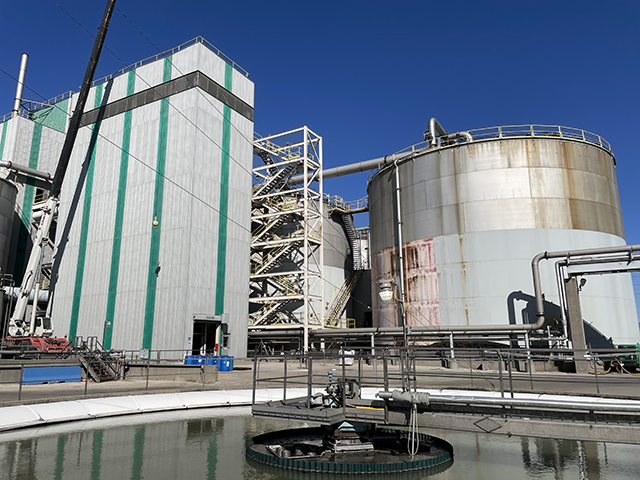
An air-conditioned motor control center (MCC) housed the wet corn mill’s electrical components, including programmable logic controllers (PLCs), relays, contactors, and VFDs. Aeration pools or basins outside introduce oxygen into the wastewater process to feed aerobic microorganisms which in turn decontaminate the wastewater.
Utility areas for water treatment can produce H2S gas through anaerobic conditions found in the sludge clarification process. The VFD failures were attributed to these highly corrosive gases getting into the air-conditioned MCC.
Proving Grounds for Durability
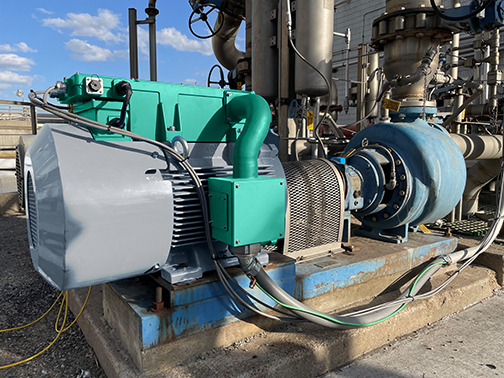
The customer’s primary concern was how VIDAR could solve this VFD reliability issue. The plan was to run the unit for a year then VIDAR would evaluate it for signs of corrosive damage. Given the AC-Link power converter would now be outside next to the motor, it served as a great example of performance in harsh environments.
Results
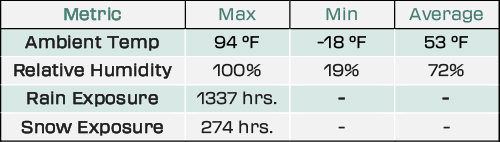
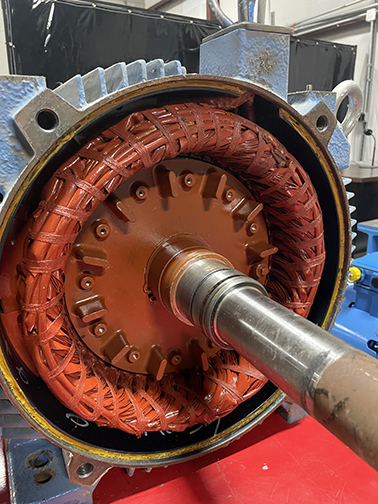
The heat, rain, snow, and corrosive gases couldn’t bring it down as the unit operated for the next 14 months without interruption. The unit was removed for teardown analysis (and a replacement installed) which revealed no signs of corrosive damage to either the motor or the power electronics.
With the original VFD failure resolved, the total run time in this challenging environment has surpassed 26 months and continues to tick upwards.
VIDAR had paid for itself in 9 months due to voiding the $24k spent on replacement drives and the $6k spent on installing them.
Application Overview
The failure prone VFD worked in tandem with two other pumps to move water from the clarifier basin into the aeration pools. The two other pumps were driven by single speed induction motors, with one primarily reserved for backup.
A PLC translated the flow rate of the water into a 4-20mA signal which in turn dictated operating speed. This same PLC would eventually give the same speed reference to a 60HP VIDAR unit.